I Fell in Love with My Own Husband’s Brother
Love is often described as something that cannot be controlled. It can appear unexpectedly, challenge our values, and force us to confront difficult truths about ourselves. However, not every feeling should be acted upon. Sometimes the greatest test of character is not whether we experience complicated emotions, but how we respond to them. This story explores the emotional conflict of a married woman who unexpectedly develops feelings for her husband’s brother and must decide whether to follow her emotions or honor the commitments she has made.
When I married my husband, Daniel, I believed we would spend the rest of our lives together. We had been friends before we became a couple, and our relationship was built on trust, shared dreams, and mutual respect. During the early years of our marriage, life felt simple. We celebrated small victories together, supported one another through challenges, and looked forward to building a family of our own.
Daniel came from a close-knit family. His younger brother, Michael, visited often for holidays, birthdays, and family gatherings. Michael was friendly, thoughtful, and easy to talk to. We got along well, just as many in-laws do, and I never imagined that our friendship would become emotionally complicated.



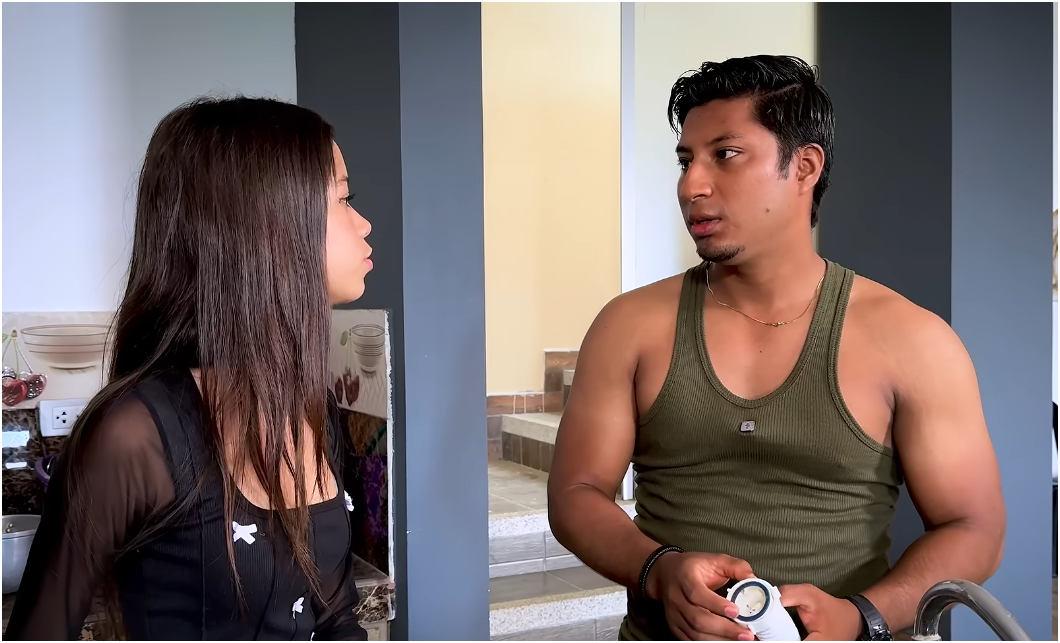

As time passed, however, my marriage began to change. Daniel’s career demanded longer hours, frequent travel, and constant stress. Conversations that had once lasted for hours became brief exchanges about bills, work schedules, and household responsibilities. We still cared about one another, but we slowly drifted into routine. Neither of us realized how much distance had quietly grown between us.
Whenever Michael visited, he noticed the tension without saying much about it. He had a gift for listening. If I mentioned feeling overwhelmed, he listened without judgment. If I shared a concern, he never rushed to solve it or dismiss it. His kindness made me feel seen during a period when I often felt invisible.
At first, I believed I simply appreciated having someone who listened. But over time, I found myself looking forward to family gatherings because I knew Michael would be there. His sense of humor lightened difficult days, and his encouragement reminded me of the connection I once shared with Daniel.
That realization frightened me.
I knew that emotional boundaries mattered. Michael was not just another person; he was my husband’s brother. Even though nothing inappropriate had happened between us, I recognized that my growing feelings could eventually threaten my marriage and disrupt an entire family.
Rather than pretending those emotions did not exist, I decided to face them honestly. I limited opportunities to spend time alone with Michael and focused instead on understanding why I felt so emotionally drawn to him. I eventually realized that what I truly missed was not Michael himself, but the attention, communication, and emotional closeness that had gradually disappeared from my marriage.
That insight changed everything.
Instead of allowing my feelings to grow, I decided to talk openly with Daniel. The conversation was one of the most difficult of my life. I did not confess every passing emotion, but I explained that I felt lonely, disconnected, and worried about the direction our marriage was taking. I admitted that we had become more like roommates than partners and that I wanted us to find our way back to each other.
Daniel listened quietly. After a long silence, he admitted he had been feeling much the same. Work had consumed his energy, and he had mistakenly assumed providing financial security was enough to sustain a marriage. He realized he had neglected the emotional connection that had once made their relationship so strong.
Together, we agreed to make meaningful changes. We began setting aside uninterrupted time each week to talk, eat dinner together, and enjoy activities we once loved. We also sought guidance from a marriage counselor, who helped us communicate more honestly and understand each other’s needs.
Meanwhile, Michael sensed that something had changed. He respected the renewed effort we were making and naturally gave us more space. He remained a caring brother and brother-in-law, but he was careful to avoid situations that might create confusion or emotional dependence. His maturity helped protect the family relationship rather than complicate it further.
The process of rebuilding our marriage was not quick or easy. Trust, intimacy, and communication required patience. Some conversations were uncomfortable, and old frustrations resurfaced before they could finally be resolved. Yet those difficult discussions ultimately strengthened our relationship because they were rooted in honesty rather than avoidance.
Months later, I realized that the feelings I had once interpreted as romantic love for Michael had gradually faded. They had grown during a period of loneliness and emotional distance, but as my marriage recovered, so did my perspective. I understood that emotional vulnerability can sometimes cause people to confuse unmet needs with lasting compatibility.
Looking back, I recognized how easily a different decision could have changed everyone’s lives. Acting on those feelings would likely have damaged my marriage, fractured Daniel’s relationship with his brother, and caused lasting pain throughout the entire family. Instead, acknowledging the emotions without acting on them allowed me to understand what was truly missing and address the real problem.
The experience also taught me that love is more than emotion. Feelings naturally rise and fall throughout life, but commitment requires thoughtful choices. Marriage is not sustained simply by romance; it depends on communication, respect, forgiveness, and a willingness to grow together through changing circumstances.
Daniel and I emerged from that difficult season with a deeper appreciation for one another. We no longer assumed that love could survive without effort. Instead, we made our relationship a daily priority, understanding that emotional closeness must be nurtured intentionally.
Michael eventually married someone with whom he built a happy family of his own. Watching him find love brought me genuine happiness, free from the confusion I had once experienced. Our relationship settled into the healthy, respectful bond it should always have been.
This story reminds us that complicated emotions do not define a person’s character. What truly defines us are the choices we make in response to those emotions. Attraction, loneliness, and emotional confusion can occur even in committed relationships, but acting with honesty, integrity, and respect can prevent temporary feelings from causing permanent harm.
In the end, I discovered that the greatest expression of love was not following every emotion wherever it led. It was choosing honesty over secrecy, commitment over impulse, and understanding over temptation. By confronting difficult feelings with maturity instead of denial or recklessness, I not only protected my family but also rediscovered the marriage I thought I had lost. Sometimes the strongest love stories are not those without challenges, but those in which people choose integrity when faced with life’s most difficult emotional crossroads.